

Five HR Checks to Complete Before Summer Ends
For many SMEs, August can feel like an in-between month. You’re covering holidays, juggling workloads and trying to keep everything moving while key people are away. Before long, September arrives and the pace starts to pick up again.
Before that happens, now is a good time to give your HR arrangements a quick health check.
This doesn’t need to become a major project. A few simple reviews can help you spot potential issues early, avoid unnecessary headaches later and head into autumn feeling more organised and confident.
Here are five HR checks worth completing before summer ends.

1. Review Annual Leave Balances
By August, annual leave patterns can start to tell an interesting story.
Some employees may have already used most of their holiday entitlement, while others may still have a significant amount left to take. Neither situation is necessarily a problem, but both are worth keeping an eye on.
In practice, employees with a large holiday balance can create challenges later in the year when everyone wants time off at the same time. Equally, employees who have used most of their entitlement already may have little flexibility if unexpected situations arise.
A sensible place to start is by checking:
- Who has taken most of their leave entitlement
- Who still has a significant balance remaining
- Whether any teams could face holiday bottlenecks later in the year
- Whether managers are applying holiday rules consistently
For example, a small accountancy firm may find several employees wanting leave during a busy year-end period, while a manufacturing business may discover that holidays have been postponed because production demands took priority. Reviewing balances now gives everyone more options and helps avoid difficult conversations later.
Encouraging employees to spread their holiday throughout the year supports wellbeing while helping the business maintain appropriate staffing levels.

2. Check Your Employment Documentation
HR paperwork isn’t the most exciting part of running a business, but it’s often one of the most important.
Many employers only discover missing documents or outdated records when they’re dealing with a problem that requires them.
Before autumn arrives, take some time to review your employee files and make sure everything is where it should be.
This might include:
- Employment contracts
- Offer letters
- Right to work records
- Emergency contact details
- Probation documentation
- Flexible working agreements
- Training records
- Policy acknowledgements
It’s surprisingly common for businesses to discover missing signatures, outdated contact information or paperwork that was never quite completed.
Most issues are straightforward to resolve when identified early. A quick review now can provide reassurance that your records are complete should you ever need them.
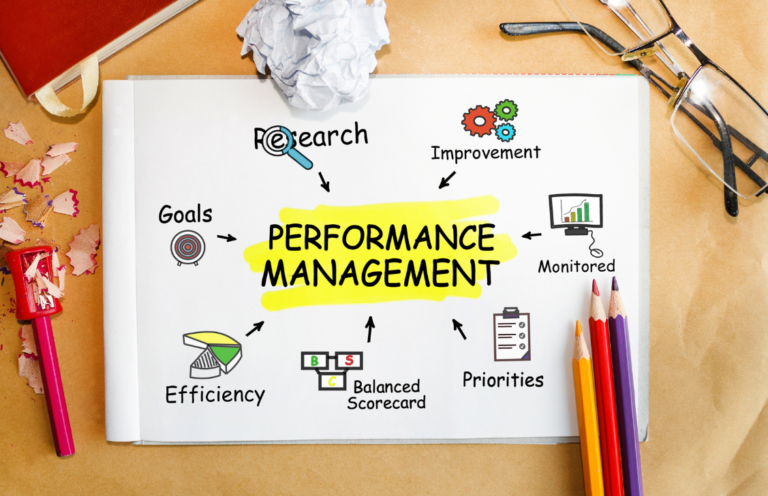
3. Take Stock of Performance and Development
September often brings renewed focus. Projects gather pace, workloads increase and businesses begin planning for the final quarter of the year.
Before that happens, it’s worth considering how your people are doing.
Ask yourself:
- Are probation reviews up to date?
- Have regular one-to-one meetings taken place?
- Are any performance concerns being addressed?
- Have development needs been identified?
- Are employees clear about expectations and priorities?
Performance issues don’t usually appear overnight. More often, they’re small concerns that haven’t been discussed early enough.
Equally, some of your best employees may be looking for opportunities to develop, learn new skills or take on additional responsibilities.
For example, a business owner may have noticed a supervisor struggling with team management but hasn’t yet had time to provide support. Alternatively, a high-performing administrator may be ready for greater responsibility but hasn’t had the opportunity to discuss their future development.
A calm conversation now can often prevent bigger challenges later.
4. Review Absence and Wellbeing Trends
With summer holidays, childcare commitments and seasonal illnesses all affecting attendance, this is a useful point in the year to review absence levels and overall wellbeing.
Rather than focusing purely on the numbers, look at the wider picture.
Consider:
- Current absence levels
- Any recurring patterns
- Outstanding return-to-work discussions
- Long-term absence cases
- Workplace wellbeing concerns
- Whether managers are confident handling absence issues
Looking for patterns can often help identify concerns before they become more difficult to manage.
Employees are more likely to engage positively when they feel supported, listened to and treated fairly. Often, a simple conversation can provide valuable insight into what’s really driving an issue.

5. Look Ahead to Upcoming Changes
Employment law and workplace expectations continue to evolve and, while there’s no need to overhaul processes every time a proposal is announced, staying informed can help you plan with confidence.
Taking stock now allows you to consider whether any future developments could affect your business, your workforce or your managers.
You might want to think about:
- Whether any policies are due for review
- Whether managers would benefit from refresher training
- How contractors or agency workers are engaged
- Whether current onboarding processes remain effective
- Any workforce challenges you expect over the next 12 months
For example, a construction company that relies on subcontract labour may want to review its contractor arrangements, while a professional services business may be thinking ahead to future recruitment challenges and potential skills gaps.
There’s rarely any benefit in rushing changes before they’re required. However, understanding what’s on the horizon often makes future adjustments much easier to manage.
Don't Forget Your Managers
Managers are often the first people to spot issues relating to performance, absence, wellbeing or conduct.
They’re also frequently the busiest people in the business.
In many SMEs, managers wear several hats. They’re leading teams, supporting customers, solving day-to-day problems and helping keep the business running smoothly. With so many competing priorities, people management can sometimes slip down the list.
Before autumn arrives, consider whether your managers have the knowledge and confidence they need to deal with everyday people issues effectively.
A short refresher on topics such as absence management, difficult conversations, recruitment or performance concerns can make a real difference.
A little support for your managers now can make people issues much easier to manage later and help create a more consistent experience for employees across the business.
The Totally HR View
You don’t need a perfect HR system to run a successful business.
What matters is understanding where you are today, identifying anything that needs attention and dealing with issues before they become more complicated than they need to be.
A review of holiday balances, employee records, performance discussions, absence trends and future workforce planning won’t take long, but it can provide valuable peace of mind as summer comes to an end.
For most SMEs, this isn’t about creating new processes or adding unnecessary administration. It’s simply about taking a little time to check that the basics are working as they should.
Autumn is often one of the busiest periods of the year. A little preparation now can help you move into the months ahead feeling organised, confident and ready for whatever comes next.
Need a second opinion on your HR arrangements? Whether you’d like support reviewing documentation, managing employee issues or preparing for future changes, Totally HR is here to help. Sometimes a short conversation is all it takes to feel confident about your next steps.