

Many employers see probation periods as a safety net. If a new hire isn’t the right fit, decisions can feel easier and risks can feel lower. However, with employment law changes expected in January 2027, probation periods are likely to become more important than ever.
Employers are likely to benefit from raising concerns early, providing regular feedback and taking a clear and fair approach from the start of employment.
Probation periods aren’t just a point in the calendar. Handled properly, they provide an opportunity to support employees, address concerns early and make informed decisions before problems become more difficult to manage.
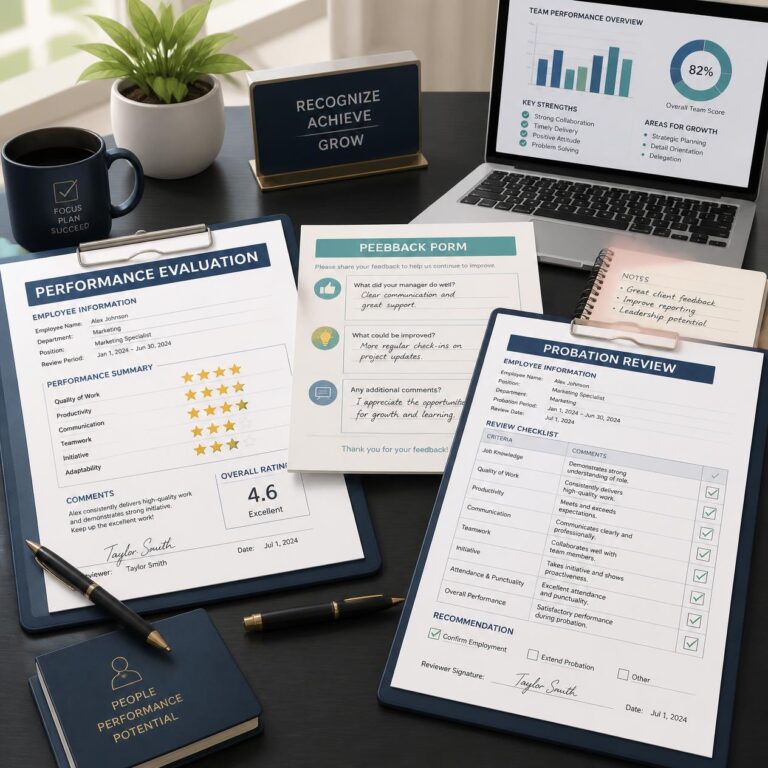
Why Probation Matters More Than Ever
The planned introduction of day-one unfair dismissal rights is expected to place greater emphasis on fairness much earlier in the employment relationship. While the final details are still subject to legislation and supporting regulations, now is a sensible time for employers to review their approach to probation.
Probation periods will remain valuable, but they need to be actively managed rather than treated as an administrative deadline.
In practice, regular reviews, simple notes and reasonable opportunities to improve often lead to better outcomes for both employers and employees. They help create clarity, encourage open conversations and reduce the likelihood of surprises later on.
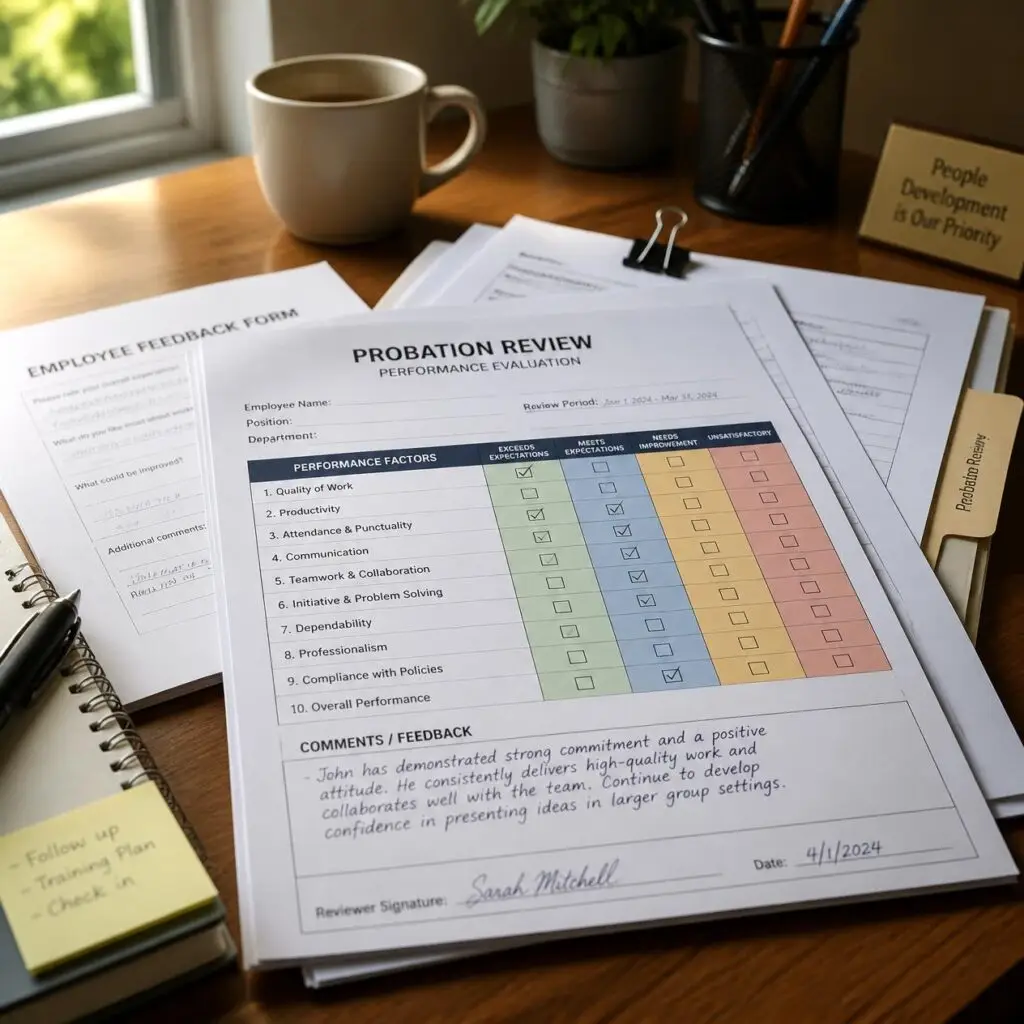
Five Practical Steps for Employers
- Set Clear Expectations From Day One
Employees should understand what success looks like, what standards are expected and how performance will be measured.
- Hold Regular Check-Ins
Don’t wait until the end of probation. Short conversations throughout the period can identify issues early, provide support and help employees improve.
- Address Concerns Promptly
If there are concerns about performance, attendance or conduct, raise them early. Employees should understand what needs to improve, what support is available and when progress will be reviewed.
- Keep Brief Records
You don’t need lengthy forms, but notes of key probation discussions can help provide clarity and ensure there is a shared understanding of expectations and progress.
- Don’t Skip the Mid-Probation Review
A formal review halfway through probation gives both parties the opportunity to discuss progress, address any concerns and agree next steps.
Many employers have traditionally used a six-month probation period as standard. However, with the changes expected in 2027, it may be worth considering whether a shorter probation period of three or four months would work better for your business. This can provide time to review performance properly, offer additional support where needed, extend probation if appropriate and reach a decision without leaving everything to the final few weeks.
When Probation Isn't Working
Not every recruitment decision will be successful. Where concerns remain despite support and feedback, it’s important to be clear about the issues and what happens next.
If additional time is needed, a probation extension should have a clear purpose, realistic objectives and an agreed review date. The focus should be on assessing whether improvement can be achieved rather than simply delaying a decision.
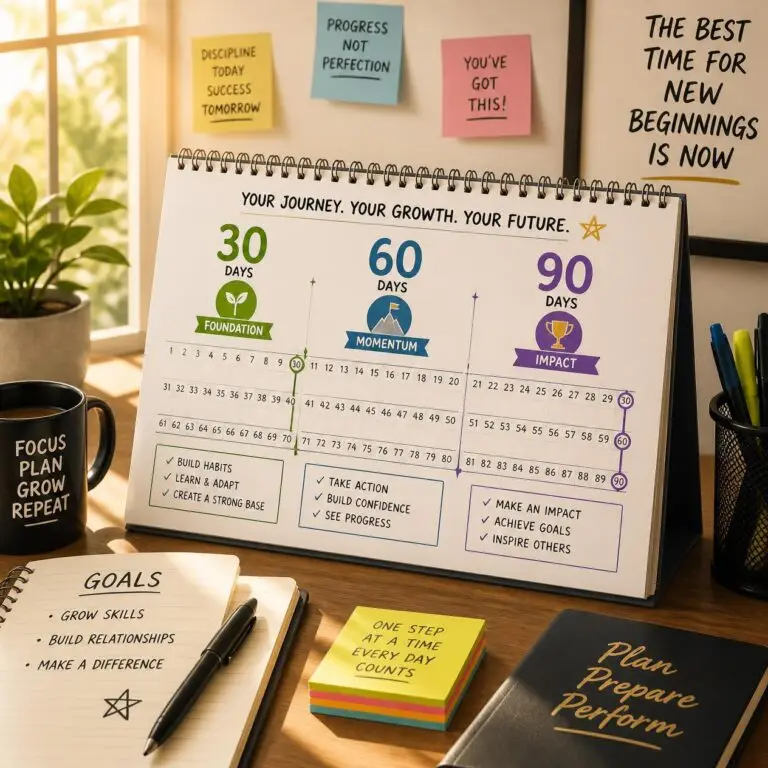
The Bottom Line
Probation periods aren’t becoming less important – they’re becoming more important.
For employers, the best preparation for 2027 is straightforward: set expectations early, provide regular feedback, keep simple records and address concerns promptly.
Importantly, this isn’t something to think about in late 2026. Employees recruited from July 2026 onwards could begin reaching six months’ service around the time the proposed changes take effect in early 2027. That makes now a sensible time to review probation arrangements rather than waiting until the legislation is in force.
A well-managed probation period gives employees the best opportunity to succeed and helps employers make fair, confident decisions.
If you’re unsure whether your probation arrangements are still fit for purpose, a short conversation can help you decide whether any changes are needed. We can help you review your contracts, processes and manager guidance so you feel confident you’re taking a clear and fair approach.
Frequently Asked Questions
Do probation periods still matter if employees gain day-one employment rights?
Yes. Probation periods remain an important way to assess suitability, provide support and address concerns early in the employment relationship.
How long should a probation period be?
While many employers have traditionally used six-month probation periods, the changes expected in 2027 make this a good time to consider whether that approach is still right for your business.
A probation period of three to four months, with the option to extend where necessary, can provide greater flexibility. This allows sufficient time to assess performance, hold review meetings, address any concerns, support improvement and, if required, give contractual notice before additional employment rights are acquired. Whatever length is chosen, employers should avoid leaving probation reviews until the last minute and ensure concerns are raised as early as possible.
Should probation periods be included in employment contracts?
Yes. The length of the probation period, any probationary notice provisions and the employer’s right to extend probation should be clearly set out in the contract of employment. This helps manage expectations and reduces the likelihood of misunderstandings later.
Should probation reviews be documented?
Yes. Brief notes of review meetings, feedback and any agreed actions can provide a useful record and help demonstrate a clear and fair process.
What if an employee is struggling during probation?
Concerns should be discussed as soon as possible. Employees should understand what improvements are required, what support is available and the timescales involved.
Can a probation period be extended?
Usually, provided the employment contract allows for this. Any extension should have a clear purpose, measurable objectives and a defined review date. Extensions should be used to assess whether improvement can be achieved, rather than simply delaying a decision.
What happens if an employee fails probation?
Employers should explain the reasons for their decision, ensure the process has been handled fairly and follow any contractual or company procedures that apply. Decisions should be based on the information gathered during the probation period and the discussions that have taken place.
How often should probation review meetings take place?
Regular check-ins throughout the probation period are recommended, with at least one formal mid-point review and a final review before the probation end date.
What is the biggest mistake employers make with probation periods?
Waiting until the end of the probation period to raise concerns. Regular feedback and early support give employees the best opportunity to improve and help employers make informed decisions.
Will probation periods become more important as employment law changes?
Many HR and employment law professionals believe so, as employers may need to show that concerns were identified early, discussed with the employee and managed fairly from the start of employment.
Can HR support help improve probation management?
Yes. A structured probation process, supported by clear documentation, regular review meetings and consistent application across the business, can help employers make confident and fair decisions.